
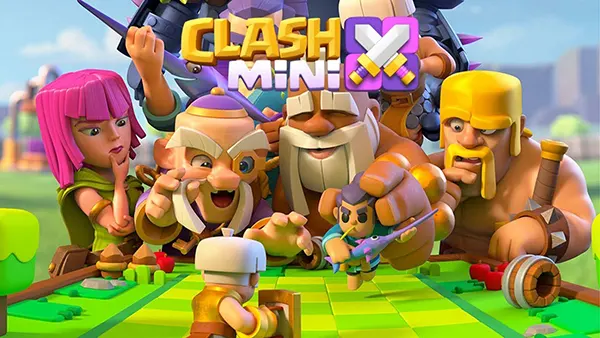
Clash Mini represents Supercell’s attempt to rethink familiar mechanics from the Clash universe by introducing an auto battler format tailored for mobile play. Unlike traditional real-time strategy titles, here the player’s role is focused on preparation rather than direct control during combat. Matches are short, tactical, and rely heavily on positioning, unit synergy, and adaptation to opponents’ line-ups. As of 2026, the project has undergone multiple test phases and refinements, shaping a more balanced and accessible experience for both casual players and those looking for deeper tactical gameplay.
The foundation of Clash Mini is based on automated battles where players place their characters, known as Minis, on a grid before the round begins. Once the fight starts, all units act independently, using their abilities and attacking based on predefined logic. This removes the need for fast reflexes and shifts the focus entirely to planning and prediction.
Each round begins with a preparation phase. Players receive a limited number of elixir points, which can be spent on deploying new Minis or upgrading existing ones. Decisions made at this stage directly influence the outcome of the round, making resource management a critical element of the gameplay loop.
The match structure is typically best-of-five rounds. Players must win multiple rounds by eliminating the opposing team. This layered system introduces adaptation, as each round provides new information about the opponent’s strategy, encouraging players to adjust their positioning and upgrades accordingly.
The battlefield in Clash Mini is a small grid, but it offers a surprising level of tactical depth. Placement determines not only which enemies a Mini will target but also how effectively it can use its abilities. For example, ranged units benefit from backline positioning, while tanks are most effective when placed in the front row.
Special tiles on the board add another layer of complexity. These tiles can grant bonuses such as increased energy gain or enhanced attack speed. Controlling these positions often becomes a deciding factor in close matches, particularly at higher skill levels.
Unlike traditional Clash games, where players actively deploy troops during combat, here everything depends on initial setup. This creates a gameplay rhythm where observation and anticipation become more important than speed or reaction time.
Clash Mini draws its roster from familiar Clash characters such as Barbarian, Archer, and Shield Maiden, but each unit has been redesigned for the auto battler format. Every Mini comes with a base ability and can unlock additional traits through upgrades during a match.
Upgrading a Mini does more than increase its stats. It allows players to choose between different ability paths, effectively customising the unit’s role. This introduces meaningful decisions, as players must weigh immediate power against long-term synergy within their team composition.
Team synergy plays a central role in advanced gameplay. Certain combinations of Minis can amplify each other’s strengths. For example, pairing a high-damage dealer with a support unit that boosts attack speed can significantly increase overall effectiveness.
Each team is led by a Hero, a powerful unit with unique abilities that define the overall strategy. Heroes act as anchors for team composition, and choosing the right one often determines the direction of the entire match.
Unlike regular Minis, Heroes gain energy during combat and unleash special abilities that can turn the tide of a round. Timing is automated, but positioning still affects how impactful these abilities are. A poorly placed Hero may fail to influence key engagements.
As of 2026, balance updates have focused heavily on Heroes, ensuring that no single option dominates the meta. This has led to a more diverse range of viable strategies, making matches less predictable and more engaging over time.
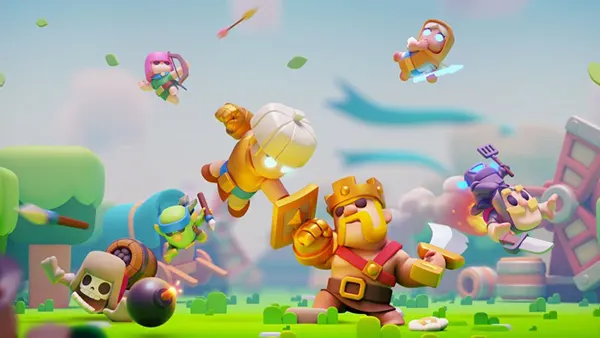
The progression system in Clash Mini has evolved significantly during its testing phases. Players unlock new Minis, upgrade abilities, and customise their loadouts over time. However, the design avoids excessive complexity, keeping sessions short and accessible.
Seasonal updates introduce new balance changes, units, and limited-time modes. This keeps the gameplay fresh and encourages players to revisit strategies. The meta in 2026 is shaped by frequent adjustments, preventing stagnation and maintaining competitive variety.
Monetisation remains focused on cosmetics and progression acceleration rather than direct competitive advantages. This approach aligns with broader industry trends, where fairness in gameplay is prioritised to retain long-term player trust.
Clash Mini reflects a broader shift in mobile gaming towards shorter, strategy-driven sessions. Matches typically last only a few minutes, making the game suitable for quick play without sacrificing depth. This balance between accessibility and complexity is a key factor in its appeal.
The auto battler format also reduces the barrier to entry. New players can quickly understand the basics, while experienced users can explore advanced tactics through positioning and synergy. This layered design supports both casual engagement and competitive play.
By 2026, Clash Mini has positioned itself as a distinct entry within the Clash universe. It does not attempt to replace existing titles but instead offers a different type of strategic experience, focused on planning, adaptation, and efficient decision-making.